If you’ve ever left a doctor’s office frustrated, or stood at a pharmacy being told your prescription isn’t covered, you’re not alone. This happens all the time. It feels like the plan is broken, but in most cases, it’s something fixable once we pinpoint what’s going on. Let’s break down the usual culprits.
The 4 Most Common Reasons This Happens
1. The provider is out of network
This is the biggest one. These plans only work within their system. If you go outside of it, the claim gets denied or you’re asked to pay upfront.
2. The claim is still processing or processed incorrectly
Sometimes the insurance company just hasn’t finished reviewing the claim. Other times, something simple like a coding issue causes it to process wrong.
3. Preventive vs. diagnostic care confusion
This trips people up constantly. A routine annual lab panel is usually free. But if your doctor orders labs to monitor a condition, like thyroid or cholesterol every few months, that’s considered diagnostic and goes toward your deductible.
4. Pharmacy billing issues
Pharmacies need the right billing info. If they use the wrong BIN or PCN, or if the medication isn’t on your plan’s approved list, it won’t go through correctly.
Labs:
- Preventive labs = free
- Diagnostic labs = you pay based on your plan
If you’re managing something ongoing, like hormones or blood sugar, those labs are diagnostic. That means they apply to your deductible or coinsurance. It surprises people because it feels like it should be covered the same way as an annual checkup. But insurance treats “routine screening” and “ongoing monitoring” very differently.
If something doesn’t look right, here’s what to gather:
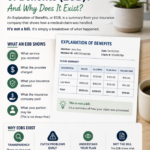
- The Explanation of Benefits (EOB) from your insurance
- The doctor or clinic name you visited
- What the provider or pharmacy is telling you
- The insurance ID you gave them
- Whether the provider is in network
I’ll check if the provider was in network, review the EOB, and if needed, call the insurance company to get clarity. Most issues come down to one misalignment. Once that’s corrected, things usually run smoothly.
How to Avoid This Going Forward:
- Always confirm a provider is in network before your visit
- Use your plan’s official directory when choosing doctors
- Ask how labs will be billed if you’re managing a condition
- Stick with pharmacies that are known to work with your plan